
Relationships today look very different from what they did in the past. And that’s a fact.
One of the clearest examples of this is in how people meet potential partners. In the past, partners would usually meet through friends, family, school, work, or social gatherings. Today, however, dating apps, social media platforms, and other forms of digital communication have created entirely new ways for people to connect and explore romantic relationships.
But beyond how people meet, what people expect from relationships, how they communicate with potential partners, and even how they approach commitment have also changed over the years.
How Research Helps Us Understand Modern Romance
At The Modern Relationship Guide, we explore all of these modern relationship changes and trends by looking at surveys, studies, and other forms of research that can help you gain a better understanding of how dating behaviour is changing and what modern relationships look like today.
Here are some of the key areas we will be covering:
- How people meet partners today
- The growth of online and mobile dating
- Changes in dating expectations and communication
- How dating surveys measure attitudes and behaviour
- Changing attitudes towards exclusivity and commitment
- Generational differences in dating behaviour
- How technology influences modern relationships
- How dating research reflects wider social changes
How People Meet Partners Today
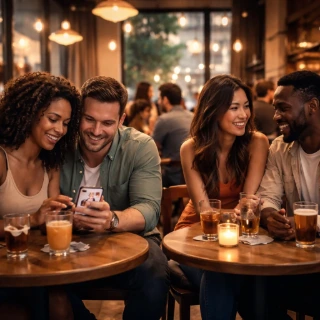
As mentioned earlier, one of the most noticeable changes in modern dating is how people meet potential partners. Traditionally, romantic relationships often developed through existing social connections, such as friendships, family introductions, educational institutions, workplaces, and community gatherings.
These traditional ways of meeting people still exist today. However, technology has introduced additional opportunities for people to connect with others beyond their immediate social circles through dating apps and social media platforms. This has made it possible to interact with people from different locations and backgrounds without necessarily having to meet them in person first.
At The Modern Relationship Guide, we explore these changing patterns and what they reveal about how people form romantic connections in today’s world.
The Growth of Online and Mobile Dating

Online dating has now grown to be an important part of the modern dating experience. Many people today, especially younger people, have dating profiles on dating websites. And with this, they can browse potential matches, exchange messages, and arrange meetings directly from their phones. Some platforms also use algorithms to suggest potential partners based on users’ interests, preferences, and other profile information.
This development has, in fact, changed more than just how people meet. It has also influenced how people evaluate potential partners, communicate their expectations, and navigate the early stages of romantic relationships.
And so, we also explore the growth of online and mobile dating, looking at how these platforms have changed dating habits and the opportunities and challenges they introduce.
Changes in Dating Expectations
People approach romantic relationships with different priorities, and what someone considers important in a partner may depend on their personal experiences, circumstances, and long-term goals. For example, some people may prioritise emotional connection and shared values, while others may place greater importance on financial stability, personal independence, or similar lifestyle interests.
At The Modern Relationship Guide, we explore these changing expectations and how they influence the way people approach dating and relationships.
How Dating Surveys Measure Attitudes and Behaviour

There are surveys and studies that provide insights into what people think about dating, what they look for in potential partners, and how they approach different aspects of romantic relationships. For example, a survey may ask participants how they feel about online dating, whether they prefer casual dating or long-term relationships, or what qualities they consider important in a partner. Researchers may also examine dating behaviour by asking people about their experiences, communication habits, relationship history, and attitudes towards commitment.
However, it is important to understand that survey findings depend on how questions are designed, who participates, and how the responses are collected. People’s answers may also be influenced by how they interpret a question or what they feel comfortable sharing.
Also, sometimes, what people say about relationships doesn’t reflect how they behave when dating. Someone may say they value emotional availability, honesty, and long-term commitment, but their actual dating experiences may reveal different priorities.
For example, a survey participant may say they prefer meeting potential partners through friends or social gatherings. However, their actual dating experiences may involve mostly using online platforms. Of course, this does not automatically mean that people are being dishonest. People’s preferences can just change depending on their circumstances, experiences, and the opportunities available to them.
At The Modern Relationship Guide, we explore these differences to better understand what dating research reveals about the relationship between people’s expectations and their everyday experiences.
Changing Attitudes Towards Exclusivity and Commitment
Another important area of modern dating is how people understand exclusivity and commitment. Traditionally, entering a romantic relationship often involved relatively clear expectations around exclusivity. Today, however, people may approach things differently. Some couples discuss exclusivity early in the dating process, while others prefer to spend more time getting to know one another before defining the relationship.
There are also different expectations around commitment, relationship labels, and long-term partnership. For some people, commitment means entering an exclusive relationship and eventually building a shared future. For others, the process may involve different stages.
These changing attitudes are worth exploring because they provide insight into how people understand romantic relationships and what they expect from potential partners.
Generational Differences and the Influence of Technology

Dating behaviour also differs across generations. People who grew up before smartphones and social media became widespread usually have different experiences and expectations from those who have spent much of their lives using digital platforms.
For example, younger generations may be more familiar with meeting potential partners online, maintaining relationships through messaging applications, and using social media as part of their dating experiences. Older generations may have different preferences.
Technology also influences how people maintain romantic connections. Video calls, instant messaging, and social platforms allow couples to stay connected across distances and share everyday experiences. At the same time, digital communication can introduce challenges around privacy, expectations, and misunderstandings.
At The Modern Relationship Guide, we explore these generational differences and the wider influence of technology on modern dating and relationships.
The Changing Face of Love and Connection
Modern dating continues to evolve as technology, social expectations, and personal priorities shape how people form relationships. By examining dating trends and research, we can better understand these changes and what they mean for romantic connections. Ultimately, every generation brings new perspectives to the experience of finding and maintaining love.